How Payment Rewards Drive Shifts Between Sports Wagering and Table Game Activities
Frankie Frank · Nov 16, 2026
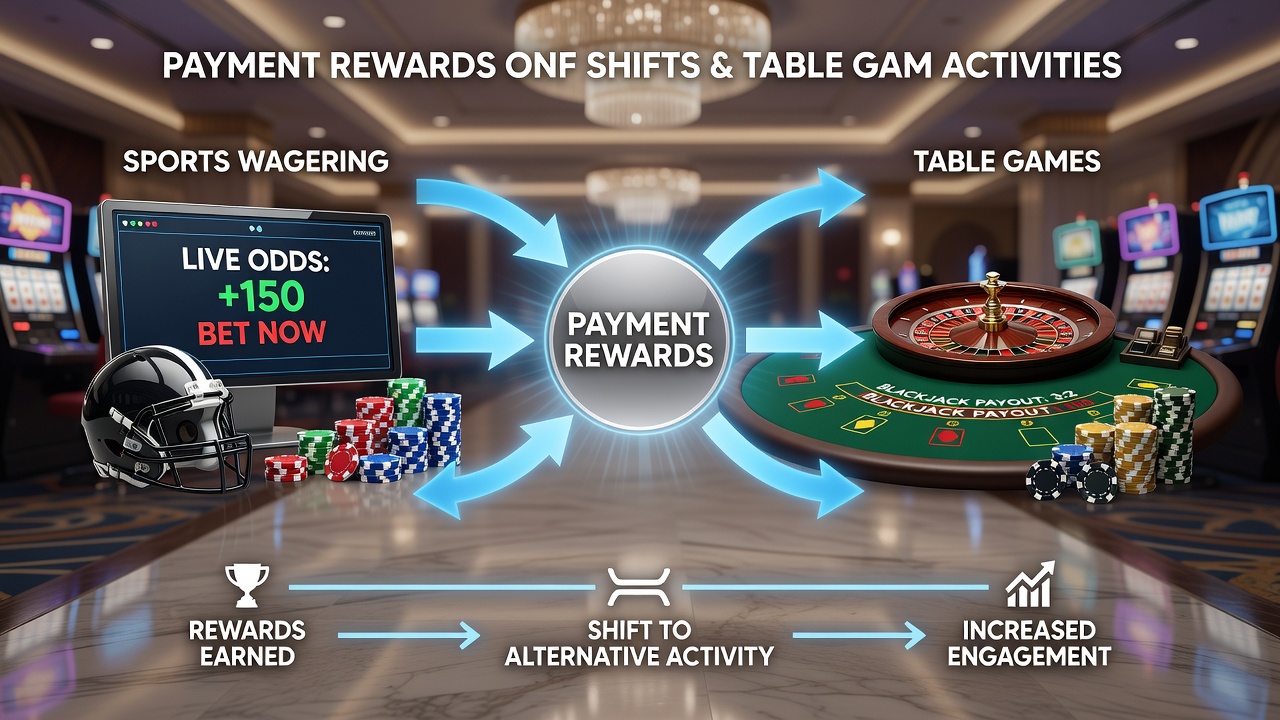
How Payment Rewards Drive Shifts Between Sports Wagering and Table Game Activities
Payment rewards such as deposit matches, cashback offers, and tiered loyalty points have reshaped how operators allocate player activity between sports wagering and table game offerings, with structured incentives frequently prompting measurable transfers of wagering volume from one vertical to the other.
Operators design these rewards to balance floor traffic, and data from multiple jurisdictions show that when sports betting bonuses carry higher rollover thresholds or lower percentage returns, players often redirect funds toward table games that provide immediate cashback or reduced house-edge promotions. Conversely, table game rewards that emphasize long-session play can pull volume away from live sports markets during off-peak betting periods.
Mechanics of Reward Allocation Across Verticals
Most integrated platforms apply different reward formulas to each category, and these formulas directly influence session length and average bet size. Sports wagering rewards typically reward high-volume, low-margin bets with bonus credits that must be cleared on the same vertical, whereas table game promotions frequently include cashback percentages that apply across both live dealer and virtual formats. Researchers tracking transaction logs have documented that a 10 percent increase in sports-specific rollover requirements correlates with a 6 to 8 percent rise in table game handle during teh same promotional window.
Payment method integration further amplifies these shifts because e-wallet deposits often unlock instant bonus tiers that operators restrict to specific game types. When an operator ties a premium e-wallet bonus to blackjack or roulette, players who previously funded sports accounts through the same wallet redirect a larger share of their bankroll to table games to meet wagering requirements faster. Industry reports note that such vertical-specific bonuses appear most frequently during major sporting events when sports margins tighten and operators seek to maintain overall revenue.
Observed Patterns in Player Movement
Transaction data compiled across multi-vertical platforms reveal recurring patterns tied to reward cycles. During weeks when sports betting cashback caps drop below 5 percent, average daily table game turnover rises by double-digit percentages among the same user cohort. The reverse occurs when table game loyalty multipliers are reduced while sports accumulator bonuses expand, and volume migrates back to match markets and prop bets. Observers note these movements accelerate among players who maintain accounts across both categories rather than single-vertical specialists.
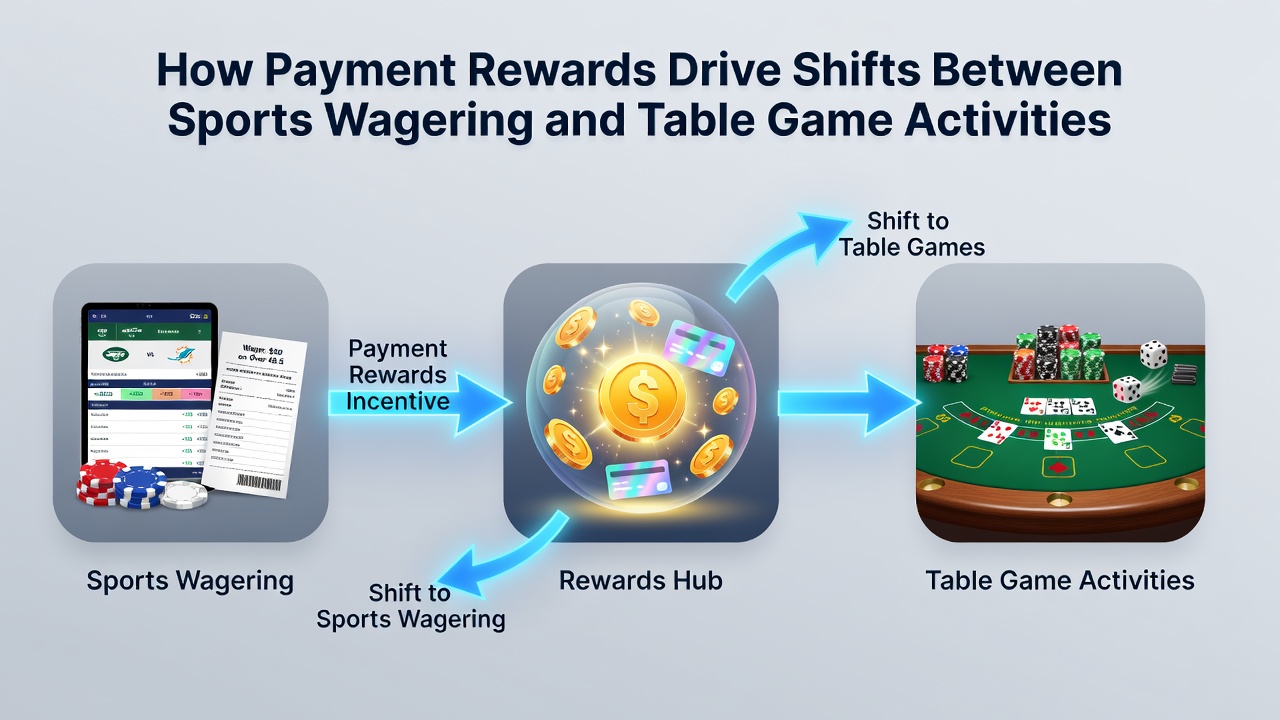
One large European operator group tracked account-level behavior over 18 months and found that 37 percent of users who received a sports-only deposit match subsequently reduced table game activity by at least 25 percent in the following 30 days. The same study recorded a 29 percent increase in sports wagering volume when table game cashback thresholds were raised, demonstrating the bidirectional nature of the incentive effect.
Regulatory and Platform Data From November 2026
In November 2026, aggregated figures released by the Nevada Gaming Control Board showed a 12 percent quarter-over-quarter increase in table game drop at properties that had recently adjusted sports betting reward percentages downward. The same dataset indicated that operators offering cross-vertical loyalty points experienced smaller shifts, suggesting that unified reward currencies can dampen movement between categories. Separate analyses from the Australian Gambling Research Centre corroborated these trends, noting that reward structures favoring instant table game rebates produced measurable declines in sports betting turnover during non-peak event periods.
Platform operators have responded by testing dynamic reward engines that adjust bonus percentages in real time based on vertical performance targets. When sports handle exceeds internal forecasts, the engines automatically increase table game cashback rates for the same user segment, and the adjustment typically produces a measurable reallocation within 48 hours. These automated systems rely on payment processor data to identify which users maintain balances across both verticals and are therefore most likely to respond to the incentive change.
Impact of Payment Method Preferences
Payment method choice also mediates the speed and direction of these shifts. Players who fund accounts via instant bank transfers more frequently receive vertical-specific bonuses, and data indicate they switch categories faster than those using slower traditional methods. Credit card users, who often encounter different bonus eligibility rules, show less pronounced movement because many platforms restrict sports betting rewards on card deposits while allowing full table game cashback. These differences create segmented player pools whose activity patterns operators can predict and influence through targeted reward distribution.
Conclusion
Payment reward structures function as primary levers that operators use to redistribute wagering volume between sports and table game activities. Transaction records, regulatory filings, and platform analytics consistently demonstrate that adjustments to bonus percentages, rollover conditions, and cashback rates produce predictable, bidirectional shifts in player behavior. As integrated platforms continue to refine these mechanisms, the relationship between reward design and vertical allocation remains a central factor in how operators manage overall handle across both categories.